You can expect to experience certain changes when you are pregnant. While pregnant, your main goal should be to stay healthy. This means eating healthy taking your vitamins, attending regular appointments for prenatal care, and having someone else clean the litter box.
Exercise is important. Maintaining a physically fit body can help promote healthy fetal growth and ease some of the discomforts and aches of pregnancy.
It will depend on your personal needs. While it is important to exercise safely during pregnancy, as you progress, you will want to reduce the intensity of your workout.
Salena Zanni, MD, says that during pregnancy there are many changes in the body which can affect your stamina. Many of the things a pregnant woman can do and should to remain healthy will differ from person-to-person. The most important thing is to listen and not overdo it.
Dr. Zanotti explains the best and worst exercises for pregnant women. You may receive different recommendations based on the health history of your pregnancy and your own personal preferences. It’s best to consult your healthcare provider before beginning or continuing an exercise program.
Can pregnant women exercise?
Exercise can really benefit your pregnancy if you follow the right guidelines. Dr. Zanotti advises that continuing to exercise during pregnancy is one of the best things pregnant women can do. Exercise can have some pregnancy-boosting effects, including:
- Weight management is important to maintain a healthy body weight.
- Reduce pregnancy discomfort, such as backaches.
- Improve your body mechanics and posture.
- Increase energy.
- Flexibility and strength are improved.
- Constipation, bloating and other problems can be treated.
- Encouraging better sleep.
- Prepare your body for delivery and labor.
Exercise during pregnancy can even reduce your risk of diabetes gestational, hypertension and Cesarean Delivery.
As long as you are not at high risk during your pregnancy, Dr. Zanotti assures that many types of exercise can be performed safely. You’ll want to decrease the intensity of your exercises, especially in the later months.
How active was your lifestyle before pregnancy?
The amount of exercise and the type of exercises you should do will differ. It will partly depend on how active you were before becoming pregnant.
There’s no reason to stop exercising if you enjoyed it before becoming pregnant. During pregnancy, you’ll want to reduce the intensity of your workout. You shouldn’t push yourself through discomfort or pain when you are pregnant. Avoid excessive exercise. Too much wind can reduce oxygen to the fetus.
If you weren’t as active before your pregnancy, Dr. Zanotti recommends starting slowly and increasing your workout to 3 to 4 times per week for 30 minute increments. Start with low-intensity exercises like walking or swimming.
Exercise safely during pregnancy
Pregnant women should exercise 120 to 150 minutes per week. This time should be used for moderate-intensity cardio exercise. This means you should be working hard enough to make you sweat, increase your heart rate, and be able talk — but not sing.
Dr. Zanotti says that it’s important to not overdo things. How hard and how long you work out will depend on your ability. But when you are pregnant, it is important to not go full force.
Your ability to exercise will likely decrease throughout your pregnancy. That’s OK. Take care of yourself and listen to your body.
Dr. Zanotti shares some quick tips on how to exercise safely while pregnant.
- Stay hydrated . Water is essential before, during and following exercise.
- Maintain good posture by using correct body mechanics.
- Listen to your body and do not push yourself beyond your limits.
- Exercise in extreme heat or humidity.
- Before you reach the point of fatigue, stop.
- You need to continue to consume enough calories in order to reach your desired body weight.
These pregnancy-safe exercises and recommendations are recommended:
Strength Training and Lifting
You don’t need to stop weightlifting or strength training if you enjoy it. Dr. Zanotti recommends lowering the weight that you lift, rather than trying to reach your maximum weight. You can compensate for the lighter load by doing more repetitions as long as it feels comfortable.
You can work with your healthcare provider to develop a strength-training program that is appropriate for you based on how far along your pregnancy is and your level of fitness.
Running
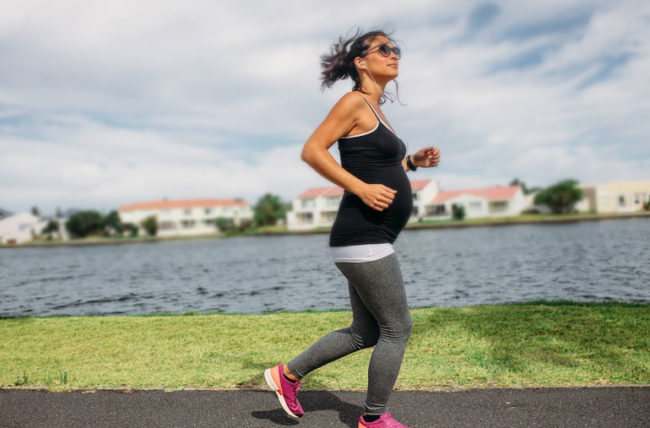
It’s usually OK to keep running if you are a runner. But listen to your body. It may be more difficult to maintain your pace from before you became pregnant. You may also find that running farther is more difficult. This is because your body uses a lot more energy to grow a healthy baby, which can leave you with less energy.
If you feel tired, you can cut your run short.
Biking
If you regularly rode before pregnancy, it is okay to continue riding for the first few weeks.
Dr. Zanotti advises that you should be more aware of your surroundings as the seasons pass. You and your fetus can both be in danger if you fall. After the second trimester, you might want to consider using a stationary bicycle.
Yoga/Pilates
Both Pilates and yoga can be good choices during pregnancy. Avoid any movements that can compress your stomach, especially in the middle to late stages of pregnancy. This includes twisting towards your midline, or bending your waist. Some gyms or other facilities offer classes specifically for pregnant women, or instructors specially trained to modify exercise for pregnant women.
You should avoid classes like “hot Pilates” or “hot Yoga” during pregnancy because they are too intense.
Low impact aerobics
Low-impact exercises are safe to do during pregnancy. This includes walking and elliptical (at a moderate speed).
People who are pregnant or have low back pain may find that water aerobics is a good option. Water aerobics can relieve pressure on your lower back, knees, and pelvis while increasing your heart rate.
Avoid these exercises when pregnant
According to Dr. Zanotti, certain activities during pregnancy should be avoided for your own health and the healthy development of your fetus.
High Impact Aerobics
As your pregnancy progresses, you will need to change the type of aerobic exercise you perform. You can get specific information from your healthcare provider about you and pregnancy.
Fall Risks
You and your fetus can both be at risk if you fall, so be careful when doing activities that require you to keep your balance or work with heights.
Dr. Zanotti says that your center of equilibrium changes during pregnancy, especially as your stomach expands towards the end. You’re at greater risk of falling if you do exercises that require you to balance.
This means that you should avoid activities such as horseback riding and skiing. You can also refrain from participating in gymnastics, skydiving, or other sports.
Contact Sports
After the first few months, you’ll want to take a break from your rec league. Even in sports like volleyball, basketball, and soccer that don’t have a full-contact goal, accidents can happen. Even an accidental bump can cause you to fall to the ground.
Easy Does It
Talk to your doctor about the best way to exercise while pregnant. Although exercising is good for your health, both physically and mentally, you may find that you can’t keep up with the pace you used to. It’s okay.
If you are in pain or unable to breath normally, slow down. These are both signs that you may be pushing yourself too far.
If you have vaginal bleeding or severe abdominal pains, lack of fetal movements, or your water breaks, then stop exercising. Call your doctor if any of these occur.
Pain is not normal during pregnancy. Stop exercising if you feel any pain. Contact your doctor.