All of us want to do our bit to protect the environment. You may feel guilty when you see the tampons piled up in your garbage each month. It’s possible that this is why reusable tampons are such a hot item in recent years. Many people make their own and sell them online.
Are reusable tampons good for you and the environment? Ob/Gyn Erica Newlin MD says that this is not the case. She explains the reasons why you should avoid reusable tampons and what to do instead.
What are reusable tampons ?
You’ll find a lot of listings for handmade tampons on Etsy.com, often featuring smiling faces and fun patterns.
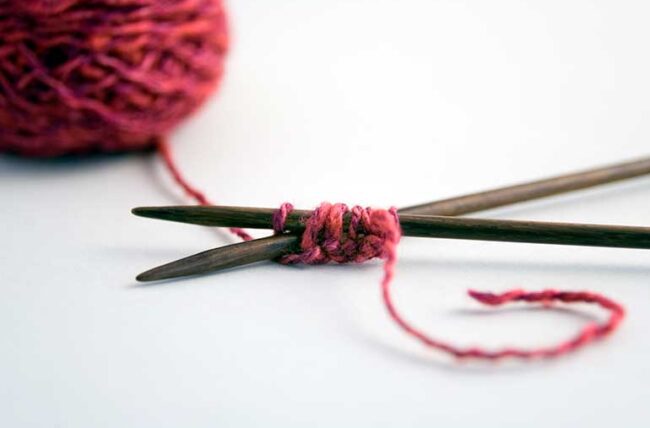
There are currently two types of reusable, tampons that are popular: cloth tampons (which are usually rolled up pieces of cotton, flannel, or other fabrics) and crocheted ones, which are made of yarn. These products are meant to be alternatives to the tampons that you buy at the pharmacy and toss out after a single use. In the theory you should be able wash them after each use and reuse them. You should only have to buy a few that you can use for many years.
“I understand that people are concerned about the chemicals used in drugstore products, but there is a great deal of risk involved and many issues regarding hygiene and cleanliness,” says Dr. Newlin.
Are reusable tampons safe?
No. No. There haven’t been any studies done on the health effects of crocheted or cloth tampons.
Dr. Newlin says that tampons are placed in the vagina, next to the cervical sphincter, which is the entrance to the uterus. Dr. Newlin says that tampons are placed in the vagina to absorb period blood. They also help remove all of the bacteria, both good and harmful, which live in the vagina.
Tampons and period products must be carefully developed because they are medical devices. Manufacturers who want to put their tampons in stores must undergo a review. In the United States the Food and Drug Administration reviews the absorbency and effectiveness of the products, as well as checking if certain harmful bacteria might grow.
reusable tampons, of any type, do not go through this rigorous process. You don’t even know what’s inside your body. In It’s impossible to clean crocheted tampons. There are so many little nooks and crannys. It’s like a ladder where bacteria can climb up or get stuck.
What you need to know about toxic Shock (TSS)
This bacteria can be a problem for your health. If you are exposed to harmful bacteria it can cause toxic stress syndrome (TSS). You should never leave tampons in longer than 8 hours.
You may be at greater risk of TSS if you use reusable tampons. Dr. Newlin says that most tampons you buy at a drugstore have been treated to prevent bacterial growth. The risk of TSS is never zero, but it is much, much less.
Safe and eco-friendly alternatives
There are many other ways you can save the planet and still have a healthy period.
Dr. Newlin suggests eco-friendly alternatives such as:
- Menstrual cup. Menstrual cups. Newlin recommends a menstrual cups made of medical-grade silicon, which is easier to clean. It takes some time to get used, but once you do you’ll be able to use it for many years.
- Reusable pads and period underwear. Are reusable pads also risky? Dr. Newlin says that these pads are much safer if you’re looking for a reusable option. These products do not come in contact with your more sensitive vagina. She says that reusable pads or period underwear stay outside your body. It’s also much easier to clean. It’s also not something you would use in the vagina or right next to the cervical area.
- Sustainable materials are used to make tampons. Even if you don’t want to use reusable products, you can still be more eco-friendly with your period routine. Most stores now carry organic tampons. You can buy 100% cotton tampons, which are not reusable but more sustainably made and sourced,” says Dr. Newlin. They are also an option for those who are sensitive to synthetic materials like rayon, which are commonly found in store-bought tampons.
There are many options available when it comes to choosing the best menstrual product for you. If you want to be kind to the planet, choose a reusable cup. Reusable tampons are too risky for your health. If you’re not sure which menstrual product is best for you and want to change, speak to your healthcare provider or gynecologist to discuss the options.