It is essential to maintain good nutrition. When you are in or approaching menopause your body becomes more dependent on vitamins and nutrition to stay healthy and strong. Your estrogen production will drop and your metabolism will slow.
Do not rush to the pharmacy to buy pills and powders. Pelin Batur MD explains what supplements are helpful and harmful, and why you should always prioritize a healthy lifestyle.
Nutrition during menopause, perimenopause, and the perimenopause
Wouldn’t you like to have a pill or powder that would make symptoms of menopause such as hot flushes, and increased weight disappear? In most cases, a healthy life style is more beneficial to your body than any supplement.
Dr. Batur advises: “Eating healthy foods, taking care of yourself and exercising are all important things to do.” Dr. Batur says that while fad dieting and supplements can temporarily help you lose weight, a poor lifestyle will lead to health problems, such as a rapid decline in bone density when you reach menopause.
A balanced diet that includes vegetables, calcium and soybeans can help relieve symptoms and ensure you receive all the nutrients you require. In some cases, however, supplementation may be necessary.
Menopause supplements: the best products for women
There is no such thing as the “best” supplement for menopause. You should always consult your doctor before taking any vitamins or supplements.
Dr. Batur warns that supplements are not regulated and may cause serious health issues, such as liver toxicity. Just because something is sold in a health-food store does not mean that it is safe.
Here are some supplements that your doctor might recommend during menopause. As always, pay attention to the labels, warnings and dosage, as well as your doctor’s advice.
1. Calcium
Calcium is essential for bone health. Menopause can cause bone loss. You may already be getting enough calcium if you eat a lot calcium rich foods like dairy products or leafy greens.
Dr. Batur advises that dietary calcium is preferred to supplements when possible. However, if you suffer from gastrointestinal problems or lactose insensitivity, you may be unable to consume enough dietary calcium.
Your doctor may recommend a Calcium Supplement if you don’t get enough calcium through your diet. This will help you to reach the 1,000-1,200 mg per day recommended by your doctor (depending on age).
Do not take calcium supplements “just because” Avoid supplements if you already get enough calcium for a strong skeleton. Hypercalcemia can be caused by too much calcium.
Dr. Batur says that calcium is generally a safe supplement, but it must be consumed in moderation. Plus, it may cause constipation!
2. Vitamin D
Vitamin D, also known as “sunshine vitamins,” is essential for absorption of calcium and other health benefits. Sun exposure can provide enough vitamin D for some people (don’t be forgetting to use sunscreen!) Foods that contain Vitamin D.
Ask your doctor if supplements are available for women who are heading towards menopause. Recent studies indicate that taking vitamin D supplements regularly is unlikely to benefit most people. However, your doctor may have different recommendations depending on your health and risk factors.
Too much vitamin D may cause calcium levels to increase — not in a positive way. Follow your doctor’s advice to ensure you are taking the right amount of vitamin D. Typically, a dose between 2,000 and 4,000 international units is considered safe.
3. Ground flaxseed
There is no conclusive evidence that flaxseed, also known as linseed, can reduce hot flashes as some claim. These tiny seeds still have great health benefits, but only in the ground form.
The ground flaxseeds are rich in omega-3 fatty acids and lignans. These nutrients may reduce your risk of developing breast cancer, and also lower your cholesterol. They are a good addition to any diet, regardless of whether they provide relief from hot flushes.
Dr. Batur says that flax contains phytoestrogens which can have estrogen like effects on the body’s tissues and cells. “So check with your physician if you are being treated for breast or uterine cancer.”
What is black cohosh?
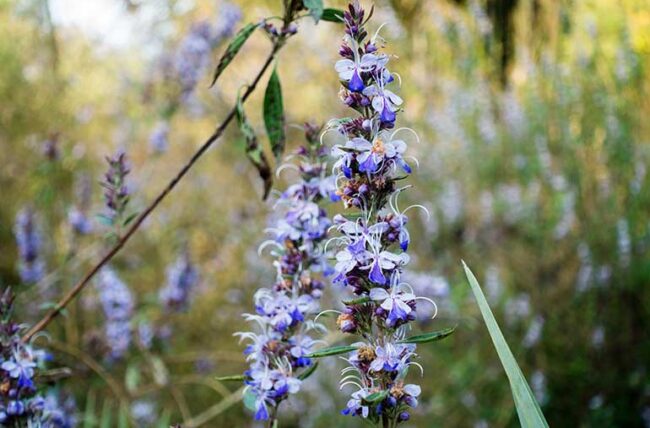
Hold off on buying this supplement. blackcohosh is a buttercup-family member that may relieve night sweats and hot flashes. Most studies (and doctors) agree that black cohosh is no better than a placebo .
Dr. Batur states that “about 30% of those who use black cohosh supplements benefit from the healing effects positive thinking as opposed to the supplement.”
If you choose to use black cohosh for less than six months, this is the time frame that should be followed. She warns that “there are concerns about liver safety and reports of liver failure.”
You shouldn’t use black cohosh if you are known to have liver problems. Even if you do not, its side effects include nausea, cramps, headaches and upset stomach.
Avoid these supplements during menopause
Supplements are unregulated, and can be dangerous even if they’re “natural.”
Dr. Batur explains that if you get a vitamin or a mineral from food, it’s safe and natural. When it is put into a manufactured form, such as a tablet or powder, it becomes a chemical.
Dr. Batur explains some of the supplements that you should avoid for your own health and wallet.
- Evening Primrose Oil:Some claim that this supplement eases hot flashes but there is no scientific proof to support its claims. However, it has been linked to nausea, diarrhea, and blood clots. It’s particularly dangerous if you are on blood thinners, or have a history or seizures or schizophrenia.
- Fluoride : This mineral is important in toothpaste but do not take it to treat bone loss during menopause. Dr. Batur says that while fluoride may improve bone density, it is not recommended for menopause bone loss due to the increased risk of fractures.
- Iron : When you menstruate you need enough iron to replace the blood that you lose. Once you reach menopause you will need less iron. Eat iron-rich, healthy foods instead of taking supplements.
- Soy While soy-based food like tofu, edamame, and other soy products are safe, supplements of soy may not. Dr. Batur says that while plant estrogen occurs naturally, soy has estrogen-like qualities. Natural foods at lower levels are okay, but concentrated forms of soy, which is made by man, can be unregulated.
- Strontium Ranelate:This metallic silver is concentrated in the bones. Dr. Batur advises against strontium supplements. The long-term safety of strontium is unknown, and it makes bone densitometry difficult for doctors to interpret.
- Progesterone or estrogen creams available over-the-counter: Your body can easily absorb estrogen through the skin. However, it cannot absorb progesterone. Dr. Batur says that patients may lather up these creams thinking they are balancing hormones when they actually cause serious health problems. This type of imbalance has been linked to uterine cancer or pre-cancer.
- Wild yam: Thanksgiving dinner, yes; menopause, no. According to studies, wild yam tinctures and extracts have little or no effect on the symptoms of menopause.
Menopause relief: How to reduce symptoms
Menopause can be a breeze for some people, but uncomfortable symptoms may occur, ranging from night sweats to breast swelling.
Lifestyle Changes such as diet modification and stress reduction can be helpful. However, if your Menopause Symptoms interfere with your quality-of-life and overall health, you should seek the advice and support of a healthcare professional.
Listen to this episode of Health Essentials podcast to learn more about Dr. Batur’s topic. What to Expect in Menopause. A new episode of Health Essentials is published every Wednesday.