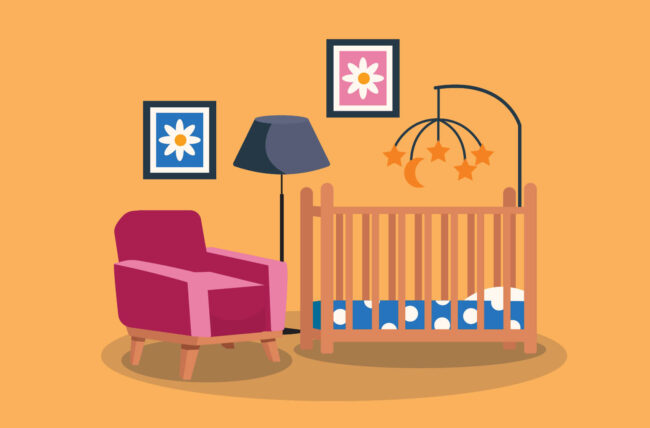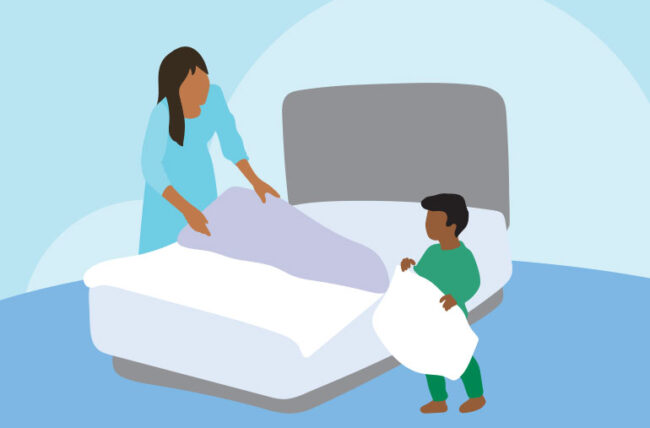
Then they moved on to a bassinet. Next, move on to the crib. Next, gradually lower the crib. Now that the crib is as low as possible, you wonder when to move on to a toddler’s bed.
It’s a big step for both you and your toddler to move out of the crib. The big-kid’s bed is a reminder to your toddler that he or she is no longer a baby.
Beds are only for big children. You and your child should not rush to get a bed before you are both ready. There are some signs that your child is ready to leave the crib. There are also plenty of tips on how to make it easier for your family.
Laura O’Connor MD is a pediatrician who specializes in children’s health. She talked to us about the benefits of a toddler’s bed. When is the right time to move your child into a toddler bed? How can you make your transition to bed as easy as possible?
When is the best age to switch from a regular bed to a toddler’s bed?
Between 18 months and three years of age, most toddlers will move from the crib into a bed. This is a wide range and there’s a good reason for it.
Each child is different. Some children talk earlier. Some people walk later. Some people are fussy while others are content. All of this is normal. It’s normal for your child to be a bit older than other kids their age when it comes to being ready for bed.
Dr. O’Connor states that there is no magic age to say “Now’s the right time to get out of the crib”. It’s about listening to your child. It will depend on their age.
The question of when to switch from a crib to a toddler’s bed is not a rule. The answer will be different for each child.
It’s time to leave the crib!
Dr. O’Connor says that keeping your child in the crib is safe as long as they are comfortable.
She continues, “Your child’s safety should always be your top priority when you are deciding whether or not they are ready to leave the crib.” It’s about weighing the safety of your child in a crib versus a bed.
They’re easy to roll out of. It’s easy to roll them out. Some toddlers use their independence to cause mischief. A toddler who has outgrown his crib can also be dangerous.
What are some red flags that indicate a better and safer bed? Dr. O’Connor offers a few.
The climbers are climbing out
Some little gymnasts can still manage to get over the railing even with the mattress set at the lowest level. You’ll probably be scared out of your wits in the interim.
The crib’s obvious failure is when it starts to leak.
According to a study by the American Academy of Pediatrics, climbing over the crib rail could result in a fall of up to 4.5 feet. A toddler bed is about 2 feet high. If they want to get up, it’s better to do so from the bed.
The researchers stated that the majority of injuries caused by crib falls were not too serious. However, they reported injuries such as cuts and bruises. They also reported a few broken shoulders and skull fractures. This is not what you want to happen to your toddler.
Dr. O’Connor believes a sleeping bag can buy you a little time. A sleep sack may make it harder for your child’s to climb or stand. Some little Houdinis will be able to get out of the sleep sack too. It’s not for everyone.
Bottom line: When your child is bursting out of his crib, it’s probably time to switch to a full-sized bed.
The crib was no longer suitable for them
Even if you tot isn’t ready to leave the crib yet, their height could put them at risk of a fall. According to the American Academy of Pediatrics, a child is outgrown if they:
- They are taller than 35 in.
- When standing in the crib, the railing is at the nippleline (the middle of the chest).
If your child is able to climb out of the crib, it may be time to switch to a bed.
The children are mature enough
Self-control is required to sleep in a bed. You can distract them with toys in their rooms and give them the freedom to roam the house to see what other people are doing. Some children are content to stay in bed and follow the rules. Some kids are more adventurous and want to push the boundaries.
“A child that is not developmentally prepared to sleep in their own bed could be a risk for safety,” notes Dr. O’Connor. Children can cause all sorts of problems if left unsupervised while you sleep. You might want to wait until your child shows signs that they are able to be trusted with their bedtime routine.
These signs can include:
- Ability to fall asleep and self-soothe independently.
- Sleeping through the night. (Remember that toddlers require between 11 and thirteen hours of sleep.
- Other house rules include not throwing toys or jumping on couches.
Keep asking
If your toddler is asking for a new bed, especially if it’s a recurring request, this could be a sign they are ready to make a switch. You don’t have to change just because your toddler says so. But you should take their interests into account.
Use your child’s request to talk about what you expect of them once they leave their crib. You can use their request to start a discussion about the rules for staying in a bed big enough for a child. By the time your child is ready to move into a toddler’s bed, he or she will already know the rules.
What if the crib is needed for a newborn baby?
This is a very common situation. You’re expecting a baby and don’t want to have two cribs. You start to think about moving your toddler into a bed in order to make space for the new baby. Why spend money on a second crib when you don’t need to? Especially if your child is already ready for (or nearly ready for) a bed? This is a rational decision.
According to Dr. O’Connor, there are two ways you can make the switch depending on how ready your child is.
You can make the switch early, even if you are pregnant. So, the older child can get used to sleeping in the bed before baby arrives. A bed switch early will also reduce the likelihood that your older child will resent their baby taking away the crib. You don’t want your toddler to feel like they must give up their crib for their baby sibling, especially if the crib is something that the child enjoys.
“Some children tend to view their cribs as their safe spaces, so you may end up with a great deal of jealousy if you immediately move the new baby into their crib,” Dr. O’Connor says. They already have to share with you and their home a new child. It could be too much to give up the crib.
If your toddler is not yet ready to sleep in your bed, but you are still pregnant, then you can extend the time by having your baby sleep in your bedroom in a bassinet. It is safe for babies to sleep in bassinets until they are able to roll over, or grow out of it. (Check with your manufacturer about size restrictions). The older child will have more time to grow and become ready for a toddler’s bed if they use a bassinet.
Tips to make the transition easier
Dr. O’Connor offers some advice for making the transition to a toddler’s bed easier, whether you’re doing it by choice or out of necessity.
Discuss it
You probably don’t want to surprise your child with a big-kids bed when they return home from daycare. If they are excited and aware of the changes, it will be easier for them to adjust. Children love knowing they are part of the plan.
You can have a discussion with your child about the upcoming change and what they should expect. Discuss with your child:
- The move to a toddler’s bed is a sure sign that they are becoming a bigger kid.
- You must be so proud that your children know the rules and will listen to you.
- You expect them to sleep in their beds after you leave your room.
- What you’ll do in the morning if they want to come and get you? Will you awaken them in the mornings? Will they be able to reach you if the monitor is on in their bedroom?
- What will they get if they stay in bed? Or what will happen to them if they decide to get up from bed?
Choose some options
Allowing your toddler to make some decisions about the bed will also help to excite them. Allow them to pick out new sheets in their favorite colour or comforter featuring their favorite character or animal. Maybe they can choose a nightlight. You can let them pick a comfort item, like a small blanket.
“When children are given the opportunity to choose their own bed, they feel more ownership and independent, both of which are important for toddlers’ development,” Dr. O’Connor says.
Maintain a regular bedtime routine
Routine is a great thing for kids. Stick to your bedtime schedule if it works for you. It can be difficult to change a routine. Introduce a new routine of activities before bedtime without causing a stir.
You don’t have an established bedtime routine. It’s time to get started.
Switch off electronic devices at least one hour before bedtime. Then, follow a regular schedule of activities in the same order every night. This will help your children wind down and induce sleepiness. You can try:
- Take a shower.
- Brush your teeth.
- Read a short story.
- Sing a tune.
Other changes should be kept to a minimum
Try to avoid making the switch to a new toddler bed at the same time as any other major changes to your child’s lifestyle. This includes potty-training, moving, changing daycares, and even taking a vacation.
Say it again: Children thrive on routine. If you are in the middle of another change it is probably best to introduce your bed at a later date. If you can, try to make only one major change at a given time.
Childproof (and more)
You’ve probably already done a thorough inspection of your home and childproof anything that caught your eye. There are little things you can use to round off the corners of your coffee table. Closed the cabinets. Installed a gate at the bottom of the staircase.
You should take a second look at the safety of your child’s room and surroundings now that they can get out of bed. You might think it silly, but you should get on your knees and look around.
Check for:
- Any open electrical sockets.
- They could be wrapped in drapes or cords.
- Furniture that is not attached to the wall.
- Any object they could climb up on would be a potential safety risk.
- Unlock windows
- Access to the bathroom, kitchen or garage.
- Gates at top of stairs (or for some families, a gate at their front door will keep toddlers in).
Nap time is a great way to start the day.
You can start with a toddler’s bed only for naptime until your child gets used to it. They can practice sleeping in a toddler bed when you are not asleep.
Some families may make this transition at a daycare facility or other childcare facility. Ask your provider if your child is napping on a cot or bed outside your home. You can also ask them if they have any tips or tricks that they use to help you reinforce your new bedtime rules.
Sleep training basics
When your baby was just a few weeks old, you may have done all the sleep-training and worked on learning techniques for self-soothing. You can still use a lot of the techniques you learned when your baby was a few months old.
These methods are suggested by Dr. O’Connor, the American Academy of Pediatrics and other experts to help your child get better sleep in their bed.
- Do not let them fall asleep.
- Let them fuss or cry for a few moments before you rush in to calm them down.
- Avoid any stimulating or loud interactions at night.
- You can gently and calmly return them to bed if they leave their room.
Dr. O’Connor believes that returning your children to bed each time they rise is a good way to ensure they understand the rules.
Dr. O’Connor says that some families don’t mind if their children and parents share a bed. But if this is not what you want, it’s best to stop it from happening. If you don’t like your child to sleep in your bed, then it is better not to give in when they enter your room. Consistency is key. It’s hard to achieve, but it’s important. “Once sleeping in bed becomes a habit it is hard to break.”
Dole out rewards
Dr. O’Connor explains that positive reinforcement is the best way to motivate toddlers. We all love positive reinforcement. A small reward or prize for good behavior in the new toddler bed could be motivating to a toddler.
For example, a sticker chart can be very helpful during the transition from a crib to a bed. Every night that they sleep in their bed, they receive a sticker. Once they reach a certain amount of stickers, you can reward them with a small gift, such as a trip to the park, or a meal of your choice. You can start with a small prize for a few stickers, and then work up to a larger reward.
It’s a big step in a child’s life to move from a crib to a toddler-sized bed. This is a big step for their independence and growing responsibility. Do not rush. You can wait for them to tell you when it is time. When the time is right, be prepared to talk about it.